
Built to Last: Abilene’s Works Progress Administration Legacy
More than 90 years after the Great Depression, visitors to Abilene can still see the lasting impact of one of the nation’s most ambitious public works programs.
Created in 1935 as part of President Franklin D. Roosevelt’s New Deal, the Works Progress Administration, later renamed the Work Projects Administration, put millions of Americans to work during the Great Depression. Across the country, WPA workers built and improved roads, bridges, schools, parks, public buildings and recreational facilities.
Abilene was among the communities that benefited from this investment, and several WPA-era projects remain part of the community today.
Eisenhower Park
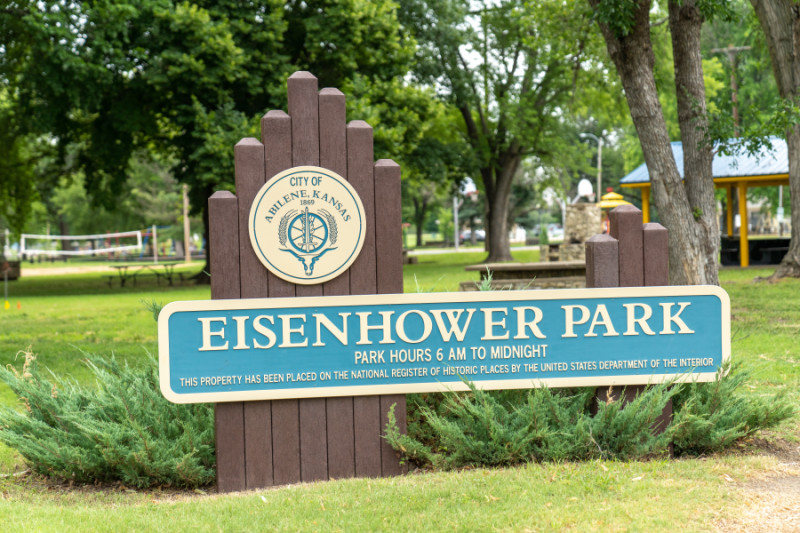
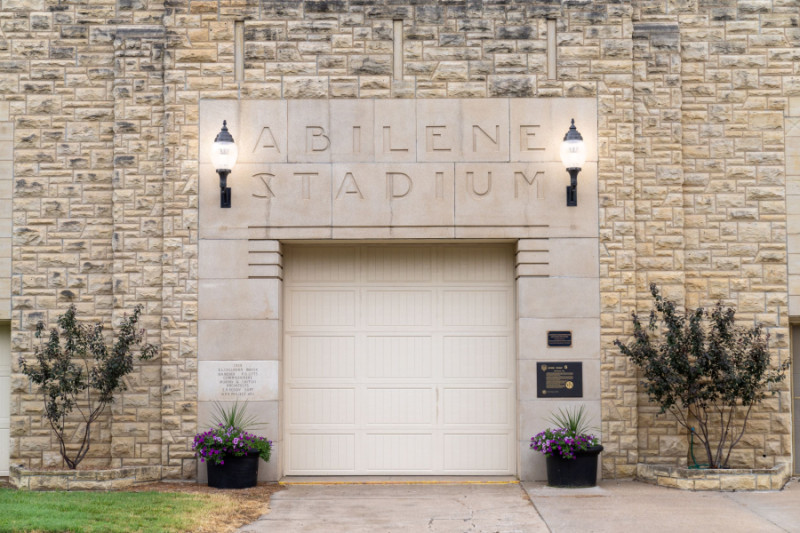 One of the best places to discover Abilene’s WPA legacy is Eisenhower Park, where Depression-era workers helped create recreational facilities that generations of Abilene residents have enjoyed.
Among the projects associated with the WPA were the community swimming pool and bathhouse, Tom Smith Stadium, the rose garden and other park improvements.
Construction of Abilene’s swimming pool began in December 1936. Approximately 60 men worked four days a week, using shovels and wheelbarrows to excavate the site while horses hauled away the dirt.
When completed, the pool complex was impressive. The original facility included a 35-foot diving tower and an observation deck above the bathhouse. A snack bar was located there, and the space was even used for dances.
The project was completed at a cost of approximately $92,000, a substantial public investment during the 1930s.
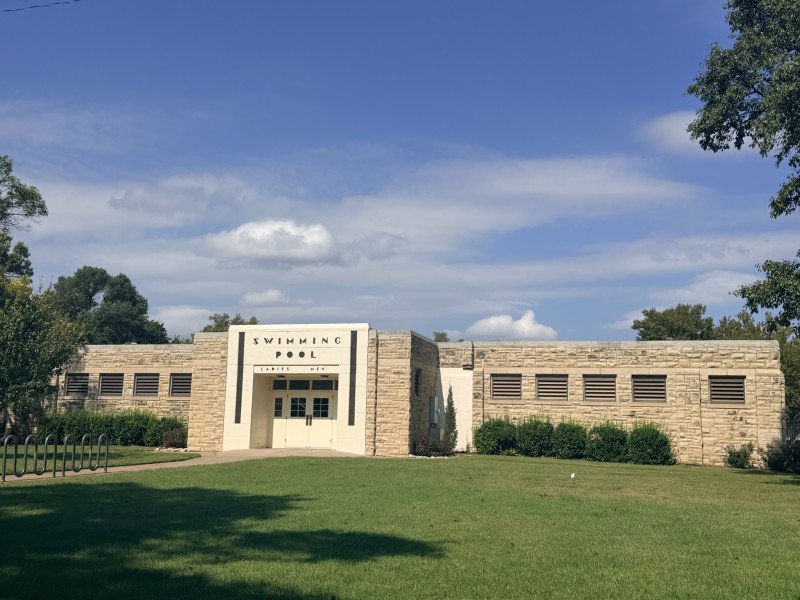 Decades later, Abilene residents again invested in the community pool. In 2009, voters approved a sales tax to replace the aging facility. Although the original pool was removed and a new aquatic center constructed, the community strongly supported preserving the historic WPA bathhouse.
Today, that bathhouse remains a visible connection to the park’s Depression-era history.
Tom Smith Stadium
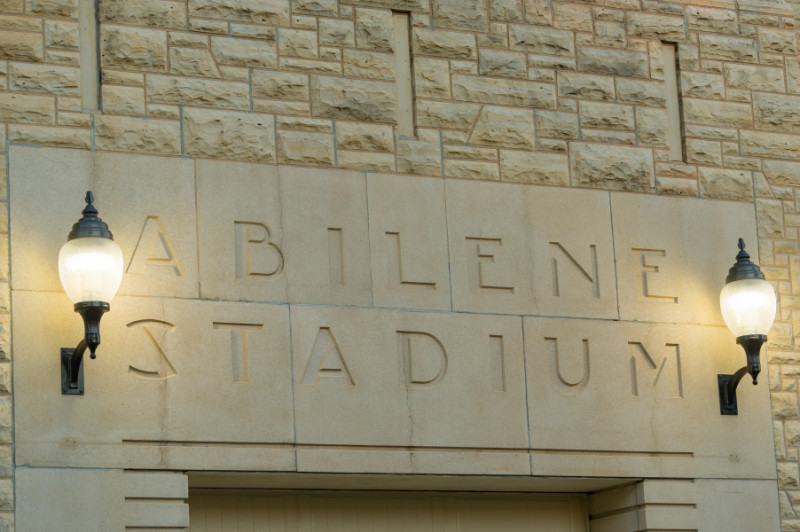 Also located in Eisenhower Park, Tom Smith Stadium is another reminder of Abilene’s WPA era.
The stone stadium reflects the substantial, permanent construction commonly associated with WPA projects. Rather than creating temporary facilities, many communities used federal assistance and local labor to build public spaces intended to serve residents for generations.
Abilene continues to use the stadium today, making it both a historic structure and an active community gathering place.
The Eisenhower Park Rose Garden
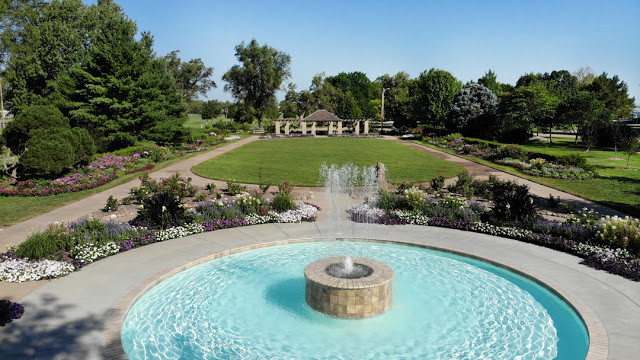 The WPA’s influence extended beyond buildings and athletic facilities.
Abilene’s historic Rose Garden in Eisenhower Park was also part of the improvements made during this era. Its inclusion demonstrates the broader vision behind many New Deal projects. Public investment was used not only for essential infrastructure, but also to create attractive parks and gathering spaces that improved everyday life.
The garden remains part of Eisenhower Park today.
Garfield Elementary School
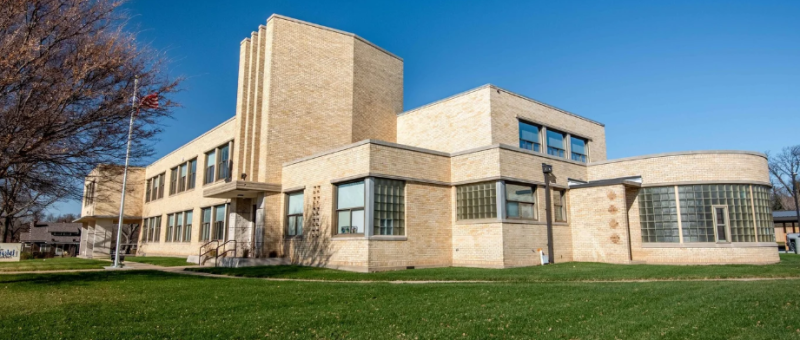 The WPA also played a role in Abilene’s educational landscape through the construction of Garfield Elementary School.
Schools were a major focus of WPA construction nationwide. These projects provided employment during a period of extraordinary economic hardship while giving communities buildings and infrastructure they needed for the future.
Garfield became another example of how federal investment, local needs and local labor came together in Abilene during the 1930s.
A Legacy Still Visible Today
 The Works Progress Administration operated from 1935 until 1943 and employed millions of Americans during its eight-year existence. Its impact can still be found in communities throughout the country, but Abilene offers an especially interesting opportunity to see that legacy firsthand.
What began as an effort to put people back to work during one of the most difficult periods in American history resulted in places that continued serving the community long after the Depression ended.
In Abilene, visitors don't have to look far to find that story.
Walk through Eisenhower Park. Visit the historic bathhouse. See Tom Smith Stadium. Stop by the Rose Garden. Look at the buildings and public spaces that have served generations of residents.
They are reminders that some of Abilene's most familiar places were built during an extraordinary chapter in American history and, nearly nine decades later, they're still part of the community.